


-

Add: HeBei ShengShi HongBang Cellulose Technology CO.,LTD.
-

Email
13180486930@163.com -

CONTACT US
+86 13180486930


Raw Materials for Synthetic Fibers An Overview Synthetic fibers have become an integral part of our daily lives, shaping industries ranging from fashion to automotive. These fibers are made from raw materials that have transformed textiles, offering durability, versatility, and a range of functionalities. To understand the production of synthetic fibers, it is essential to explore the various raw materials involved, the processes of transforming these materials, and their impact on the textile industry and the environment. Types of Raw Materials The production of synthetic fibers primarily relies on petrochemical products derived from crude oil. The two most common types of synthetic fibers are polyesters and polyamides, which are produced from specific raw materials. 1. Polyester The most widely used synthetic fiber, polyester, is typically made from polyethylene terephthalate (PET). PET is synthesized from two key raw materials terephthalic acid and ethylene glycol. Both of these compounds originate from crude oil, undergoing processes such as polymerization to create polyesters. Known for its strength and resistance to stretching and shrinking, polyester has become a popular choice in clothing, home furnishings, and industrial applications. 2. Polyamide (Nylon) Another significant synthetic fiber is polyamide, commonly known as nylon. The production of nylon involves raw materials like hexamethylenediamine and adipic acid, which can also be sourced from petroleum or derived from renewable resources. Nylon fibers are prized for their exceptional elasticity, strength, and abrasion resistance, making them ideal for products such as hosiery, activewear, and ropes. 3. Acrylic Acrylic fibers, often used as a wool substitute, are manufactured from polyacrylonitrile (PAN). The raw materials for PAN typically include acrylonitrile, which is derived from propylene—another byproduct of oil refining. Acrylic fibers are lightweight, soft, and exhibit good color retention, providing a popular choice in blankets, sweaters, and textiles. The Production Process Once the raw materials are sourced, the production of synthetic fibers generally involves several key steps polymerization, spinning, and finishing. raw material for synthetic fibers - Polymerization This process involves chemically reacting the raw materials to form long chains of molecules, known as polymers. Depending on the desired characteristics of the final product, variations in the chemical process can be implemented to achieve specific attributes, such as thickness and flexibility. - Spinning After polymerization, the resulting polymers are melted down and extruded through spinnerets, which are devices that create filaments. As the molten polymer passes through tiny holes, it cools and solidifies to form fibers. This spinning process can be done using different techniques, such as dry, wet, or melt spinning, each resulting in different types of fiber characteristics. - Finishing The final step in fiber production involves finishing processes that enhance the fiber's performance characteristics. This might include dyeing, texturing, or applying treatments that improve properties like water resistance or flame retardance. Environmental Considerations While synthetic fibers have revolutionized the textile industry, their production poses significant environmental challenges. The extraction and processing of petrochemical raw materials contribute to carbon emissions, pollution, and reliance on fossil fuels. Furthermore, synthetic fibers are not biodegradable, resulting in long-lasting waste in landfills and oceans. To address these concerns, there is a growing movement towards sustainable practices in synthetic fiber production. Innovations in recycling technologies are enabling the repurposing of old synthetic garments into new fibers. Brands are also exploring bio-based alternatives, using renewable resources such as corn starch or sugarcane to produce synthetic fibers, thus reducing their environmental footprint. Conclusion The journey of synthetic fibers from raw materials to finished products is a complex interplay of chemistry, engineering, and environmental considerations. As demand for these materials continues to grow, it is vital to find a balance between industrial benefits and ecological sustainability. By prioritizing innovation and responsible sourcing, the future of synthetic fibers may pave the way for a more sustainable textile industry, combining functionality with environmental stewardship.
- 40000tons

Production
- 20+years

Experience
- 5000+㎡

Acreage

-

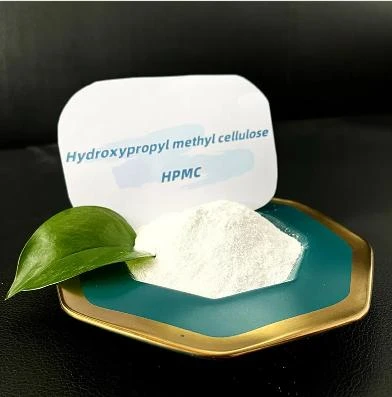
Hydroxypropyl Methyl Cellulose Manufacturers An Overview Hydroxypropyl methyl cellulose (HPMC) is a versatile and widely used cellulose ether that finds applications across various industries, from pharmaceuticals and food to construction and personal care products. As a semi-synthetic polymer, it is derived from cellulosic sources and is favored for its unique properties, including water solubility, film-forming ability, and thickening capacity. With a growing demand for HPMC, numerous manufacturers around the world are striving to meet the needs of different sectors. The Role and Importance of HPMC HPMC is known for its exceptional rheological properties and is utilized primarily as a thickening agent, emulsifier, binder, and film-former. In the pharmaceutical sector, HPMC is used in tablet formulations as a binder and controlled-release agent. In the food industry, it serves as a stabilizer and thickener, enhancing texture and shelf-life. Furthermore, the construction industry employs HPMC in mortars and plasters for improved workability and adhesion, while the personal care sector leverages its film-forming properties in cosmetics and lotions. Key Manufacturers of HPMC Several prominent companies specialize in the production of HPMC, employing advanced technologies to deliver high-quality products. Among these manufacturers are 1. Dow Chemical Company A global leader in specialty chemicals, Dow Chemical produces a variety of cellulose derivatives, including HPMC . The company focuses on innovation and sustainability, offering products tailored to specific industry needs. 2. Shin-Etsu Chemical Co., Ltd. Based in Japan, Shin-Etsu is renowned for its high-grade HPMC products. The company emphasizes quality control and customer service, ensuring its products meet international standards. 3. Ashland Global Holdings Inc. With an extensive portfolio of specialty chemicals, Ashland manufactures HPMC for an array of applications. The company's commitment to research and development allows it to produce customized solutions that enhance product performance. hydroxypropyl methyl cellulose manufacturers 4. BASF SE A major player in the chemical industry, BASF offers a broad range of HPMC products. Leveraging its global presence, BASF serves customers across various sectors, providing innovative solutions that meet specific requirements. 5. Metrohm AG Known for its analytical instruments, Metrohm is also involved in the production of HPMC. The company integrates its technology with HPMC applications to enhance customer experience and product efficacy. Manufacturing Process The production of HPMC involves several critical steps, including the alkalization of cellulose, etherification, and purification. Initially, cellulose obtained from wood pulp is treated with sodium hydroxide to create an alkali cellulose. This is followed by etherification, where the alkali cellulose reacts with propylene oxide and methyl chloride to generate HPMC. The final product undergoes purification and drying to ensure the removal of any residual chemicals, yielding high-quality HPMC. Trends and Innovations As industries evolve and environmental concerns rise, HPMC manufacturers are increasingly focusing on sustainable production practices. Many companies are adopting green chemistry principles, utilizing renewable resources, and striving to minimize waste. Innovation in product formulations is also a priority, with manufacturers developing new grades of HPMC that offer enhanced properties such as improved solubility, thermal stability, and biodegradability. In addition, the demand for HPMC in emerging markets is witnessing significant growth. With the rise of urbanization and infrastructure development, particularly in Asia-Pacific regions, the construction and building materials sector's appetite for HPMC is increasing. Conclusion The landscape of HPMC manufacturers is dynamic, characterized by robust competition and continuous innovation. As industries seek reliable performance and sustainability in their materials, HPMC remains a critical component in meeting these demands. Manufacturers are not only focusing on quality and efficiency but also on sustainable practices that align with global environmental goals. Looking ahead, the future of HPMC production appears promising, driven by technological advancements and a commitment to excellence across various applications. Businesses and consumers alike can benefit from the ongoing developments in the HPMC manufacturing sector, ensuring a brighter and more sustainable future.
-

Hydroxypropyl methylcellulose (HPMC), a versatile pharmaceutical excipient, plays a crucial role in the formulation of tablets. Its unique properties not only aid in the manufacturing process but also enhance the quality and efficacy of the final product. As an authoritative entity in the pharmaceutical industry, my aim is to shed light on the significance of HPMC in tablet production, through personal experiences, professional insights, and a genuine understanding of its pivotal role. Tablets remain one of the most preferred dosage forms due to their convenience and the ability to deliver precise dosages. The quest for a successful tablet formulation hinges on the selection of appropriate excipients, among which HPMC stands out due to its multifunctional capabilities. Having spent over a decade in pharmaceutical development, the adoption of HPMC marked a turning point in the way tablet formulations were approached. HPMC is primarily used as a binder, film former, and controlled release agent—functions that are indispensable in tablet formulation. Its molecular structure, characterized by methoxyl and hydroxypropyl groups, allows it to exhibit hydrophilicity and gel-forming properties. This ensures that tablets aren't just mechanically robust but also capable of precise drug release profiles. From an expertise standpoint, one of the key challenges in tablet production is ensuring that tablets disintegrate and dissolve at the desired rate. The gel layer formed by HPMC on contacting aqueous environments effectively modulates drug release. In numerous formulations I've overseen, HPMC has been instrumental in developing sustained-release tablets, ensuring the therapeutic agent is released over an extended period. This not only improves patient compliance by reducing dosing frequency but also enhances the therapeutic effectiveness of the drug. Moreover, HPMC also serves as an excellent film-forming agent. In a project involving enteric-coated tablets, the inherent film-forming capabilities of HPMC were harnessed to ensure the active ingredient was only released in the intestine, bypassing the acidic environment of the stomach. This protective measure helps in preserving the integrity of the drug substance, especially for acid-sensitive compounds. hpmc used in tablet The expertise required in understanding the rheological properties of HPMC solutions is paramount for manufacturing high-quality tablets. Through my professional journey, the methodical optimization of HPMC concentration facilitated the production of tablets with desired mechanical strength and disintegration properties. Such adjustments ensure that the tablets don't break or crumble under pressure, yet dissolve at the appropriate rate once ingested. When formulated correctly, tablets using HPMC have consistently demonstrated high bioavailability. Through various bioequivalence studies, HPMC's role in ensuring consistent plasma concentrations of the drug has been validated. This directly attests to the trustworthiness and reliability of HPMC as a superior pharmaceutical excipient. In a regulated industry like pharmaceuticals, the authoritativeness of excipient selection cannot be overstated. Regulatory bodies such as the US FDA and European Medicines Agency frequently demand excipients with a proven record of safety and efficacy. HPMC, with its extensive clinical use and established safety profile, fulfills this criterion perfectly. In numerous regulatory submissions throughout my career, the inclusion of HPMC has never posed significant challenges, underscoring its acceptance and reliability. Lastly, my experience also highlights the scalability offered by HPMC in tablet manufacturing . As demand increases, the transition from pilot-scale batches to full-scale production remains seamless with HPMC. Its consistent performance across different manufacturing scales ensures reproducibility and uniformity—critical factors that define the quality of pharmaceutical products. In conclusion, Hydroxypropyl methylcellulose is more than just an excipient. It is a cornerstone in the development of effective, reliable, and high-quality tablets. Through its multifunctional properties and reputable track record, HPMC emerges as a vital component in pharmaceutical formulations, driving advancements in drug delivery and therapeutic efficacy. Its use not only embodies expertise and authority but also promises a level of safety and trust that is indispensable in the health sector.
advantages
-

200000 Viscosities
Excellent product
We can produce pure products up to 200,000 viscosities
-

40000 tons
High yield
We don’t stop production all year round, and the annual output can reach 40,000 tons
-

24 hours
Quality service
We provide 24-hours online reception service, welcome to consult at any time
———— Inquiry Form
Schedule A services

-
 fiberglass_polypropylene
Oct . 25, 2025
Hydroxypropyl methylcellulose (HPMC) is a versatile polymer extensively used across various industri -
 hidroksimetil_selulosa
Oct . 25, 2025
Hydroxypropyl methylcellulose (HPMC) has become an integral component in the construction industry, -
 hydroxypropyl_pea_starch
Oct . 25, 2025
Hydroxypropyl methylcellulose, commonly abbreviated as HPMC, is a pivotal compound in various indust


